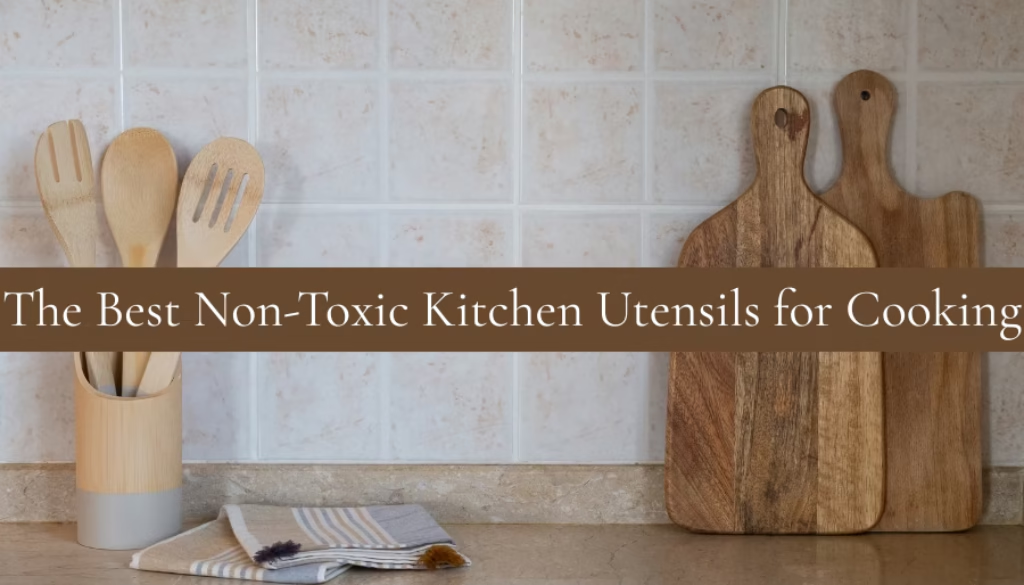
The Best Non-Toxic Kitchen Utensils for Cooking
If you’re searching for the best non-toxic kitchen utensils, I’ve got you! I remember how overwhelming it felt trying to find cooking tools that were both effective and safe for my family. With so many options labeled as “eco-friendly” or “safe,” it’s hard to know which are truly non-toxic and which may still release harmful chemicals during daily use.
This guide breaks it all down for you. I’ll walk you through the materials to avoid, which tools I actually use in my kitchen, how to care for them properly, and how to spot marketing traps like greenwashing. Whether you’re building your first kitchen set or replacing old tools, this post will help you choose safer options that last. Harmful substances have no business near your food, and finding affordable options that last can be tough, but I’ll share all my favorite options to support your low-tox journey!
Why Non-Toxic Kitchen Utensils Matter
Every meal we cook touches our utensils. Whether it’s stirring a soup, flipping a pancake, or scraping down a pan, those tools are in constant contact with our food. And if they’re made from questionable materials, they can leach toxic substances, especially when exposed to high heat or acidic foods.
Most of us are careful about what we cook with, and many people now avoid Teflon-coated nonstick pans or opt for cast iron instead, but the utensils we use are just as important. Materials like black plastic, low-quality silicone, and some aluminum tools have been found to release harmful chemicals during everyday use.
These toxins don’t just disappear. They can transfer directly into your food, build up in your body, and contribute to long-term health risks like hormone disruption, inflammation, or exposure to heavy metals. That’s why I now make it a priority to use only the best non-toxic utensils in my kitchen.
What Makes Utensils Toxic
Here’s the truth: many common cooking tools contain materials that break down under heat or when used over time. The biggest offenders include:
Black Plastic Utensils
These are everywhere. Spatulas, serving spoons, and ladles are often made from recycled electronics or low-grade plastics. Studies have shown they can contain flame retardants, lead, cadmium, and bisphenols that are not safe for food contact, especially when heated.
Cheap Silicone Tools
Not all silicone is food-safe. Low-quality versions often contain fillers or unknown additives. Unless it’s labeled food-grade or platinum-grade, it could degrade under heat and leach chemicals into your food.
Aluminum Cooking Tools
While aluminum is lightweight and cheap, it reacts with acidic ingredients like tomatoes or vinegar. Over time, it can leach into your food, especially if scratched or uncoated.
Unlabeled Materials
If a utensil doesn’t specify what it’s made from, I skip it. Vague terms like “heat-safe plastic” or “durable resin” usually mean there’s no transparency. That’s a red flag for me.
When Cooking Becomes Risky: How Heat, Acid, and Time Release Toxins
It’s not just the material, it’s how you use it. Here are three cooking conditions that increase your risk of exposure to toxic chemicals:
High Temperatures
Plastic utensils often start to break down around 400°F, but even moderate stovetop heat (300–350°F) can be enough to release polymer fumes and degrade coatings. Think about stirring a stir-fry or searing meat; those high temps increase leaching risks dramatically.
Acidic Foods
Tomato sauces, citrus marinades, and vinegar-based dressings all react with materials like aluminum, low-grade plastics, or nonstick coatings. Over time, this can wear down protective layers and lead to chemical transfer into your food.
Long Cook Times
Simmering soups or slow-roasting meals often involve long periods of time using the same utensil. This increases surface contact and the opportunity for chemicals to migrate from the utensil to your food, especially in non-stick frying pans or Dutch ovens lined with ceramic or PTFE coatings.
Safe Materials for Cooking Tools
After trial and error, and plenty of research, I stick with these non-toxic materials in my kitchen:
Stainless Steel
Extremely durable, corrosion-resistant, and non-reactive. Stainless steel utensils don’t leach chemicals and are great for everything from flipping eggs to mixing sauces. They pair best with cast iron, carbon steel, or ceramic cookware.
Wooden Utensils
Beautiful, natural, and safe. A quality wooden spoon is heat-resistant, gentle on pots, and completely non-toxic. Choose maple, beechwood, or olive wood for the best results.
Bamboo
Sustainable and affordable, bamboo utensils are lightweight and naturally antibacterial. They’re a great option if you want to avoid plastic but need something more budget-friendly than olive wood.
Here’s a set made with teak wood– an excellent option for wooden utensils.
This set is made from olive wood, which is why it’s a bit more expensive.
Food-Grade Silicone
Flexible and safe for nonstick cookware. Look for tools labeled BPA-free, LFGB-grade, or FDA-approved food-grade silicone. These are perfect for baking, mixing, or stirring delicate sauces.
Glass and Ceramic for Storage and Serving
While not a utensil material, it’s worth noting: avoid storing hot food in plastic. Glass containers and ceramic serving spoons are ideal for a toxic-free future kitchen.
My Favorite Non-Toxic Utensils
These are the tools I use in my own kitchen almost every day. They’re reliable, durable, and free from questionable ingredients.
Wooden Cooking Utensils
I use a wooden spoon for nearly everything, from sautéing onions to stirring pasta sauces. I prefer olive wood for its beauty and durability. Hand-washing is key to keeping them in good shape.
Stainless Steel Utensils
My go-to for high-heat cooking. I use a stainless spatula for cast iron skillets, tongs for grilling, and ladles for serving soups. These last forever and never stain or warp.
Bamboo Pasta Server and Salad Tongs
Perfect for serving and tossing without scratching nonstick cookware. These are also super lightweight and affordable.
Food-Grade Silicone Spatulas
Essential for baking, scraping bowls, and stirring anything sticky or creamy. I look for one-piece molds so food doesn’t get stuck between the handle and head.
Rectangular Glass Storage Containers
Not a utensil, but a must-have. These are perfect for storing leftovers safely without any chance of leaching. I even use them for marinating meat.
Check out my post on low-tox food storage for even more suggestions!
Proper Care for Long-Lasting Kitchen Tools
Taking care of your non-toxic utensils ensures they stay safe, functional, and beautiful over time. Here’s how I handle mine:
Wood and Bamboo
-
Hand wash with warm water and mild soap
-
Dry immediately with a towel
-
Oil regularly with food-grade mineral oil to prevent cracking
-
Never leave soaking in the sink
Stainless Steel
-
Dishwasher safe, but hand washing preserves the finish
-
Use a soft sponge to avoid scratching
-
Polish with a vinegar-water solution for a shine boost
Silicone
-
Wash with warm, soapy water or place in dishwasher
-
Avoid cutting into them with knives
-
Replace if they become sticky, cracked, or lose shape
Glass and Ceramic
-
Avoid thermal shock (don’t put cold glass in a hot oven)
-
Wash gently to prevent chipping
-
Use for food storage, serving, or mixing, just not high-heat stovetop cooking
Frequently Asked Questions
Are all silicone utensils non-toxic?
No. Only food-grade or LFGB-certified silicone is safe. Cheap silicone tools may contain fillers that release toxic fumes when heated. Always check the labeling and source.
Is it okay to use plastic utensils if they’re labeled BPA-free?
BPA-free doesn’t mean non-toxic. Many plastics use other bisphenols or harmful chemicals in place of BPA. Black plastic utensils are especially risky and best avoided.
What’s better, wood or bamboo utensils?
Both are non-toxic. Wood is heavier, denser, and often longer-lasting. Bamboo is more affordable and renewable, but may split over time if not properly cared for.
Can stainless steel scratch cookware?
Yes, especially non-stick or ceramic coating pans. That’s why I reserve stainless steel tools for cast iron or carbon steel pans and use silicone or wood for delicate surfaces.
Are utensils tested by the FDA?
Some materials are approved for food contact by the U.S. Food and Drug Administration, but not all kitchen products go through third-party testing. Look for brands that disclose full ingredient lists and avoid vague marketing.
Final Thoughts and a Quick Safety Checklist
Switching to non-toxic kitchen utensils has made me feel more confident about what I’m feeding my family. It’s one of the simplest but most impactful changes I’ve made in my kitchen.
Here’s a quick checklist to guide you:
Avoid:
-
Black plastic cooking utensils
-
Unlabeled or vague materials
-
Cheap silicone or plastic
-
Aluminum tools used with acidic foods
Choose:
-
Stainless steel kitchen utensils
-
Wood or bamboo cooking tools
-
Food-grade silicone spatulas
-
Glass food storage containers
Care:
-
Hand wash wood and bamboo
-
Use soft sponges on stainless steel
-
Keep silicone dry and clean
-
Replace anything warped, cracked, or degraded
Building a toxic-free kitchen doesn’t have to be complicated. One utensil swap at a time makes a difference for your health, your home, and the meals you serve every day.
Related Posts You Might Like

This site may contain links to affiliate websites including Amazon. I may receive an affiliate commission for any purchases made by you through Amazon or other potential affiliates and no additional cost to you. Thank you for your support.